
PPC stands for pay per click. It’s the ads you see at the top of Google with “Sponsored” next to them. You only pay when someone clicks. I’m an SEO person at heart, and I’ll always tell you that free rankings are the better long-term bet. But there are times when ads are the right call, and some businesses would be daft not to use them. Here’s what PPC is genuinely good for, and where I’d be careful.
How quickly does PPC bring in work?
Very quickly. Once your ads are approved, you can be at the top of Google the same day. That’s the big difference from SEO, which usually takes months on busier searches.
That speed is useful in a few situations. A new business that needs customers now. An existing one that’s had a quiet spell. Someone launching a new service, or who’s just taken on staff and needs to keep them busy. In all of those, waiting three months for SEO to kick in isn’t really an option.
Can you choose who sees your ads?
Yes, and this is where PPC is really handy for local businesses. You can show your ads only in the towns you cover. A Southport window cleaner doesn’t want to pay for clicks from Manchester. You can also choose the times. If nobody’s there to answer the phone at 2am, there’s no point paying for clicks then.
You pick which searches you show up for too. So you can go after the bigger, better paid jobs and leave out the ones you don’t want. And you can tell Google to never show your ad for certain words. “Free”, “jobs” and “DIY” are common ones, because people searching those rarely become paying customers.
Can you control how much you spend on PPC?
Yes. You set a daily budget and Google keeps to roughly that over the month. You can turn it up when you’re quiet and down when you’re busy. You can pause it altogether if you’re fully booked or on holiday. There’s no contract with Google and no minimum spend.
That flexibility is a big plus for small businesses. You can start small, see what comes in and only spend more once you know it’s working. I’d always rather someone started with a modest budget and grew it than went all in on day one.
Can PPC help your SEO?
Not directly. Paying for ads doesn’t move your free rankings. But it does teach you a lot, fast. Within a few weeks you can see which searches turn into calls and which ones just cost money. That’s gold for SEO, because it tells me which pages are worth building and which searches to go after for free.
It’s also a quick way to test your website. If people click your ad and don’t get in touch, the problem is often the page they land on. My post on turning website visitors into enquiries covers the usual fixes.
When does PPC make most sense alongside SEO?
When there’s a gap your free rankings can’t fill yet. Maybe you rank well in Bootle but not in Southport, and you want work there. Maybe a competitor is so far ahead on one search that catching them will take a while. Ads can cover those gaps while the SEO catches up.
It also suits seasonal work. A gardener in spring or a heating engineer when the first cold snap hits. You can turn the ads up for a few busy weeks and back down after. I explain how the two fit together in paid vs organic traffic.
What are the downsides of PPC?
It stops the day you stop paying. Unlike SEO, nothing builds up over time. Clicks in busy trades can be expensive, because you’re bidding against everyone else who wants the same customers. And a badly set up account can burn money very quickly.
The most common problems I see are ads showing for searches that have nothing to do with the business, all the clicks going to the home page, and nobody tracking which clicks turned into calls. Google’s own settings also tend to nudge you towards spending more. Someone needs to keep an eye on it every week, or the budget drifts.
Is PPC right for your business?
Work out what a new customer is worth to you. If one job pays for a lot of clicks, ads can make sense. A roofer or a solicitor can often afford a few pounds a click. If your average job is small and clicks in your trade are pricey, the maths might not add up. In that case I’d focus on your Google Business Profile and SEO instead.
If you do run ads with me, I set them up around the jobs you want and the areas you cover. You can see the spend, the clicks and the calls in a live reporting portal any time. The ad spend goes straight to Google, and managing them is separate from my SEO. My PPC campaigns page has the details.
Wondering if ads are worth it for you?
Send me your website and tell me what you do. I’ll look at your site and your trade and give you a straight answer on whether PPC would pay for itself. If you’re already running ads, I’ll tell you if anything stands out.
If you want me to crack on with SEO, it’s £125 a week, about £18 a day, on a 30 day rolling basis.
Free website check
Checked by me, not a tool.
Rather message? WhatsApp 07463 631121 or call 0151 402 0925.
Questions people ask me
What does PPC stand for?
Pay per click. You pay Google each time someone clicks your ad.
How fast does PPC work?
You can be showing at the top of Google the same day your ads are approved.
How much does PPC cost?
You set the budget. What each click costs depends on your trade and area.
Is there a minimum spend?
Not with Google. You can start small and pause any time.
Can I show ads only in my area?
Yes. You can choose the towns, the times and the searches.
Does PPC help my Google rankings?
Not directly. It does show which searches bring in work, which helps plan your SEO.
Is PPC better than SEO?
Neither is better. Ads are quick, SEO builds up over time. Plenty of businesses use both.
Can I see what my ads are doing?
Yes. Spend, clicks and calls show up in your live reporting portal.
Keep reading
If you’re still weighing up ads against SEO, start with paid vs organic traffic. If you want to know what the free side costs, how much SEO costs in the UK has honest numbers. And before you send any ad traffic to your site, make sure it’s ready with why your website must work on a phone.
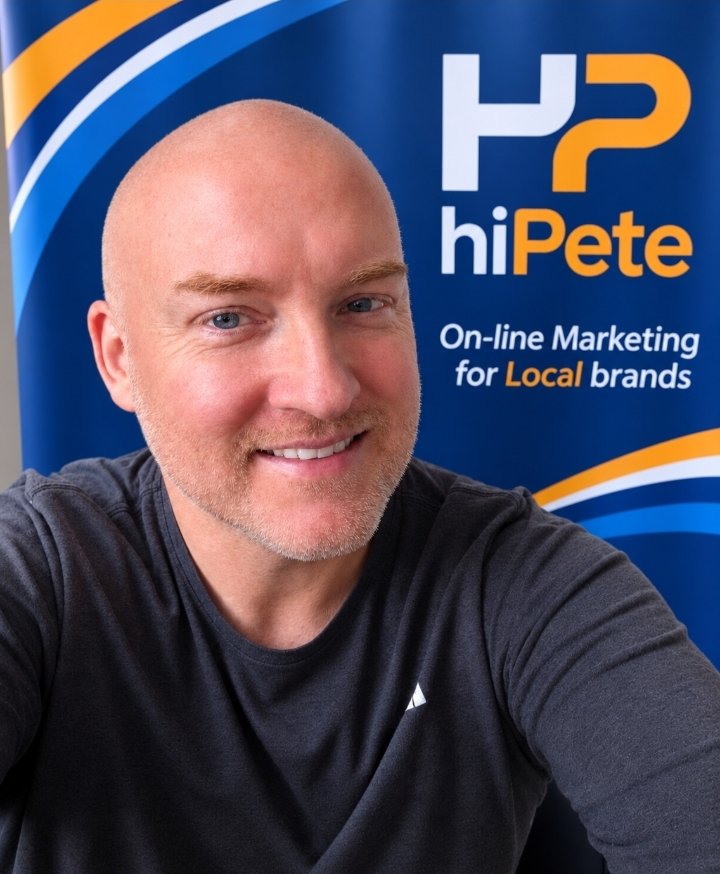 Hi, I’m Pete
Thinking about Google Ads?
Tell me what you do and where. I’ll tell you honestly whether ads are likely to pay for themselves.
WhatsApp mePPC campaigns