
Search for a plumber, a solicitor or a hairdresser and Google shows you two kinds of result. Some say “Sponsored” above them. Those are ads, and the business pays every time someone clicks. The rest are organic results, which nobody pays Google for. They’re there because Google thinks they’re the best answer. Both can bring you customers. They just work in very different ways, and picking the wrong one for where your business is at can waste a lot of money.
What’s the difference between paid and organic traffic?
Paid traffic is people who click on an ad. Organic traffic is people who click on a normal search result or your listing on the map. With paid, you’re renting a spot at the top. With organic, you’re earning it.
The easiest way I explain it to people is renting versus owning. Ads are like renting a shop on the high street. You’re in the window straight away, but the day you stop paying, you’re gone. SEO is more like buying the shop. It takes longer to get in, but once you’re there, you’re not paying for every person who walks through the door.
How does paid traffic work?
You pick the searches you want to show up for, set a budget and write an ad. When someone searches and clicks, Google charges you. The price of each click depends on how many other businesses want the same search. In busy trades like locksmiths, solicitors and emergency plumbers, one click can cost a few pounds or more.
The big plus is speed. You can be at the top of Google this afternoon. You also get a lot of control. You can show ads only in Liverpool, only on weekdays or only for the jobs you actually want. If you’ve just opened, launched a new service or need the phone ringing next week, that’s hard to beat. My PPC campaigns page explains how I set them up for local businesses.
The downside is that it never gets cheaper on its own. Every click costs money, month after month. And badly set up ads burn through a budget quickly. I’ve seen accounts showing up for searches that had nothing to do with the business, and paying for every one of those clicks.
How does organic traffic work?
Organic traffic comes from Google trusting your website and your Google Business Profile enough to show them for free. That trust comes from the work. Clear pages for each service, a fully filled-in listing, steady reviews, a fast site that works on a phone and other local sites mentioning you. That’s what SEO is, and it’s what I do most days.
The catch is time. Google doesn’t move overnight. Fixing your Google listing can make a difference within weeks, but busier searches usually take a few months. The reward is that the visits keep coming without a charge per click. A page that ranks well can bring in enquiries for years.
People also tend to trust organic results a bit more. Plenty of searchers scroll straight past the ads because they know they’re paid for. If you want the basics, my post on on-page SEO for small businesses is a good place to start.
Which should a small business start with?
For most local businesses, I’d start with organic. Get the Google listing right, get the main service pages sorted and get reviews coming in. It’s the foundation everything else sits on. Even ads work better when the page they send people to is any good.
There are times I’d say ads first, though. If you’re brand new and need work this month, ads buy you time while the SEO builds up. Same if you sell something seasonal and need a burst of calls in a short window. And if you’re in a very competitive trade, ads can get you seen while you work your way up the free results.
If you’re fully booked for weeks, you probably don’t need either right now. I’d rather tell you that than take your money.
Should you do paid and organic together?
Often, yes, at least for a while. They help each other more than people expect. Ads show you quickly which searches turn into calls. That tells me which pages are worth building for SEO. As the free rankings climb, you can usually turn the ad budget down, because you’re getting those clicks for nothing.
What I wouldn’t do is pay for ads on searches you already rank top for organically, unless a competitor is advertising on your name. That’s paying for clicks you’d have had anyway. It’s one of the first things I check when someone asks me to look at their ads account.
What mistakes do people make with ads and SEO?
The most common one is sending ad clicks to the home page. Someone searched for boiler repairs and landed on a page about everything you do. They have to hunt for what they wanted, and plenty won’t bother. A page for each service fixes that, and it helps your SEO at the same time.
Another is giving up on SEO after a month because nothing moved. That’s like planting seeds and digging them up to check. On the ads side, it’s leaving the account to run without anyone looking at it. Budgets drift, searches creep in that you didn’t want, and nobody notices until the bill lands.
The last one is not knowing what’s working. With me, both sides show up in a live reporting portal you can log into any time. You can see where the calls are coming from and what each one is costing. If you want to squeeze more out of the free side, read how to get more clicks from Google.
Not sure whether to pay for ads or invest in SEO?
Send me your website and I’ll look at it myself. I’ll tell you honestly which I’d start with for your business, and why. If ads aren’t worth it for you yet, I’ll say so.
If you want me to crack on, it’s £125 a week, about £18 a day, on a 30 day rolling basis.
Free website check
Checked by me, not a tool.
Rather message? WhatsApp 07463 631121 or call 0151 402 0925.
Questions people ask me
Is organic traffic really free?
You don’t pay Google per click. You do pay in time or in someone’s fee to do the SEO work.
Which is quicker, ads or SEO?
Ads. You can be at the top the same day. SEO usually takes a few months on busier searches.
Do Google Ads help my SEO?
Not directly. They do show you which searches bring in calls, which helps decide what pages to build.
How much should I spend on Google Ads?
It depends on your trade and area. Start small, track the calls and only spend more when you can see it working.
Is the ad spend included in your price?
No. Ad spend goes straight to Google. Managing ads is a separate service from my SEO.
Do people click on ads?
Plenty do, especially for urgent jobs. Others scroll straight to the free results, which is why it helps to be in both.
Can I stop ads once my SEO is working?
Often you can turn them down a lot. Some businesses keep a small budget for their busiest services.
How do I know which is bringing in work?
Tracking. You get a live reporting portal that shows calls and forms from both sides.
Keep reading
If you’re weighing up the cost of the free side, how much SEO costs in the UK gives you honest ranges. For the map results, which are often the quickest win of all, read how to get into the Google Maps top 3. And if you’re wondering whether you need outside help at all, do you need an SEO company? is a straight answer.
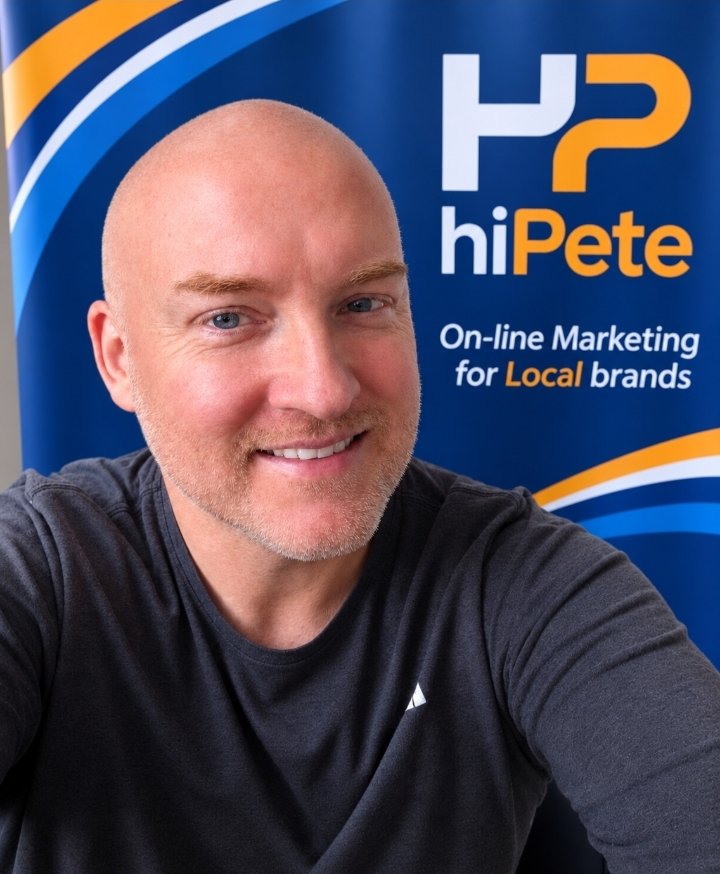 Hi, I’m Pete
Ads, SEO or both?
Tell me what you do and where. I’ll give you a straight answer on where your money is best spent first.
WhatsApp mePPC campaigns